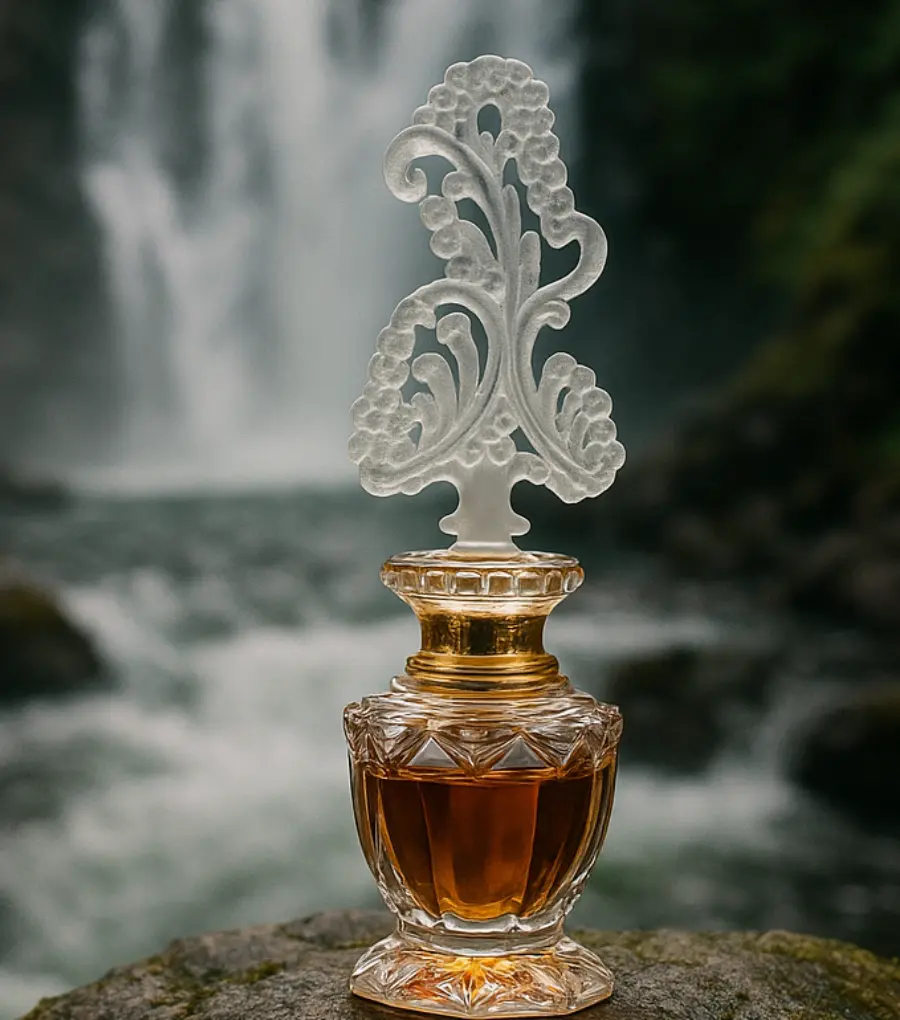
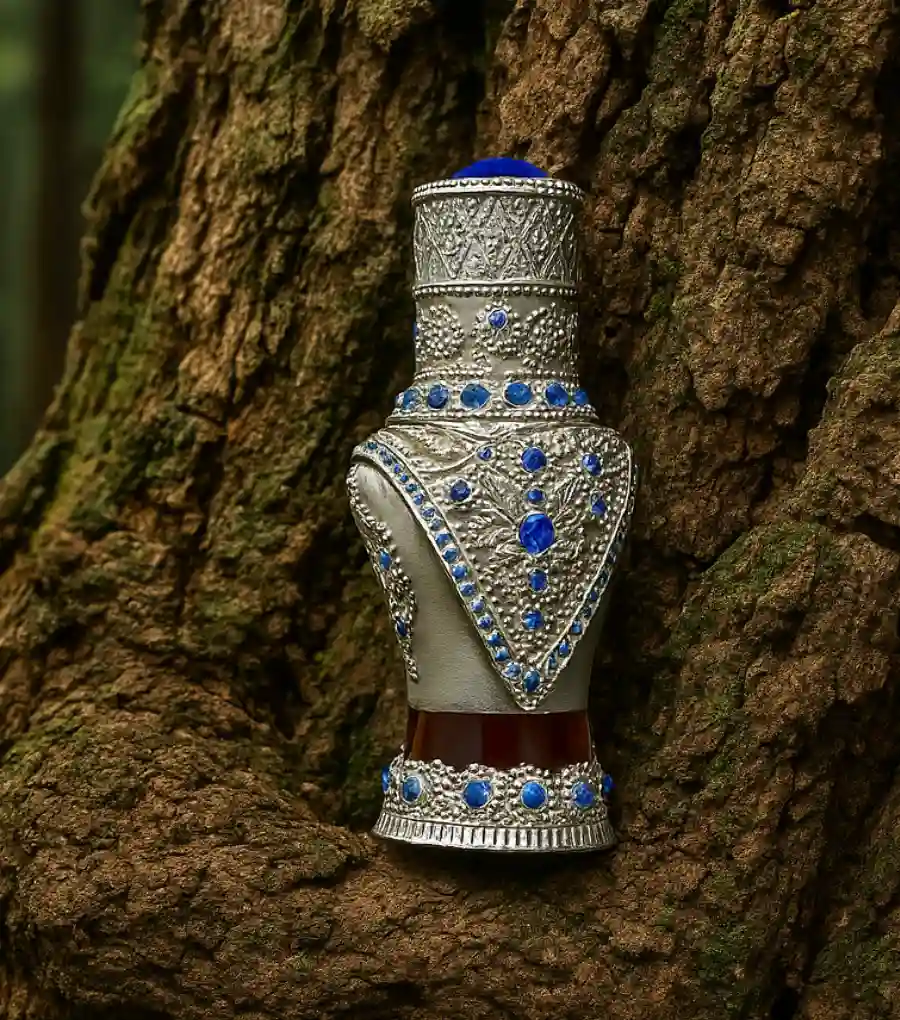
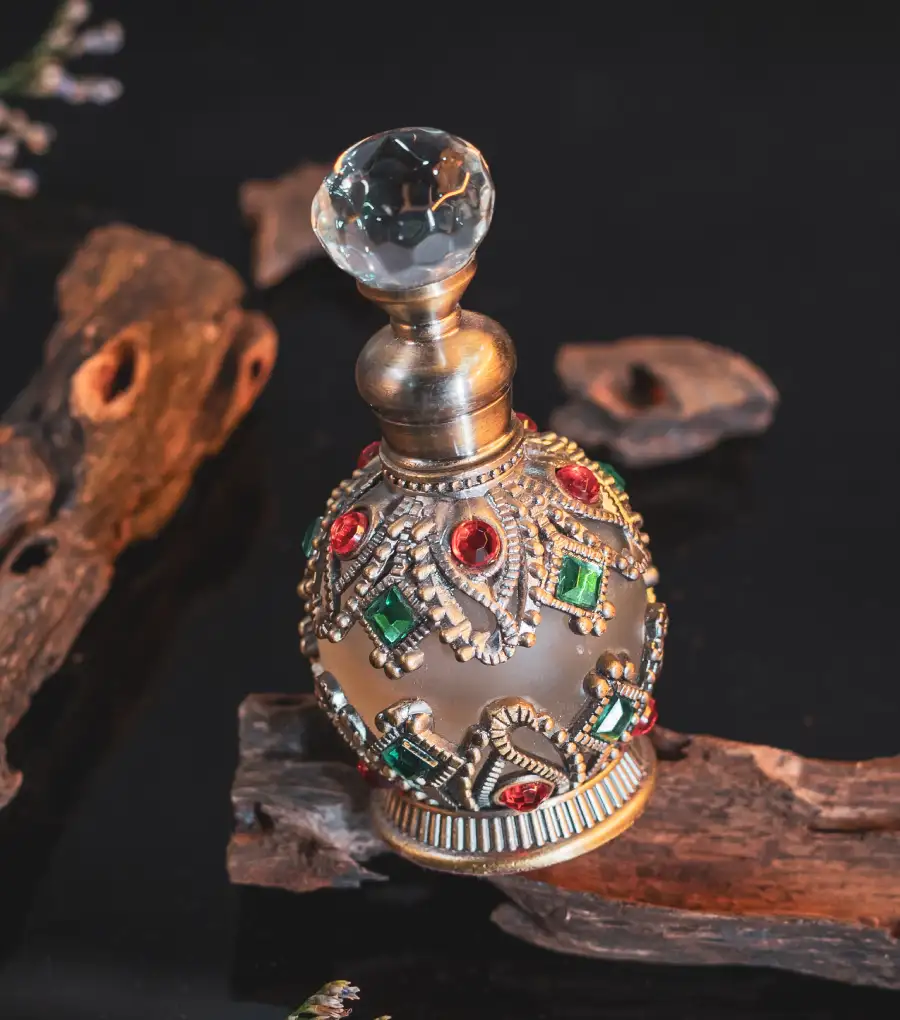
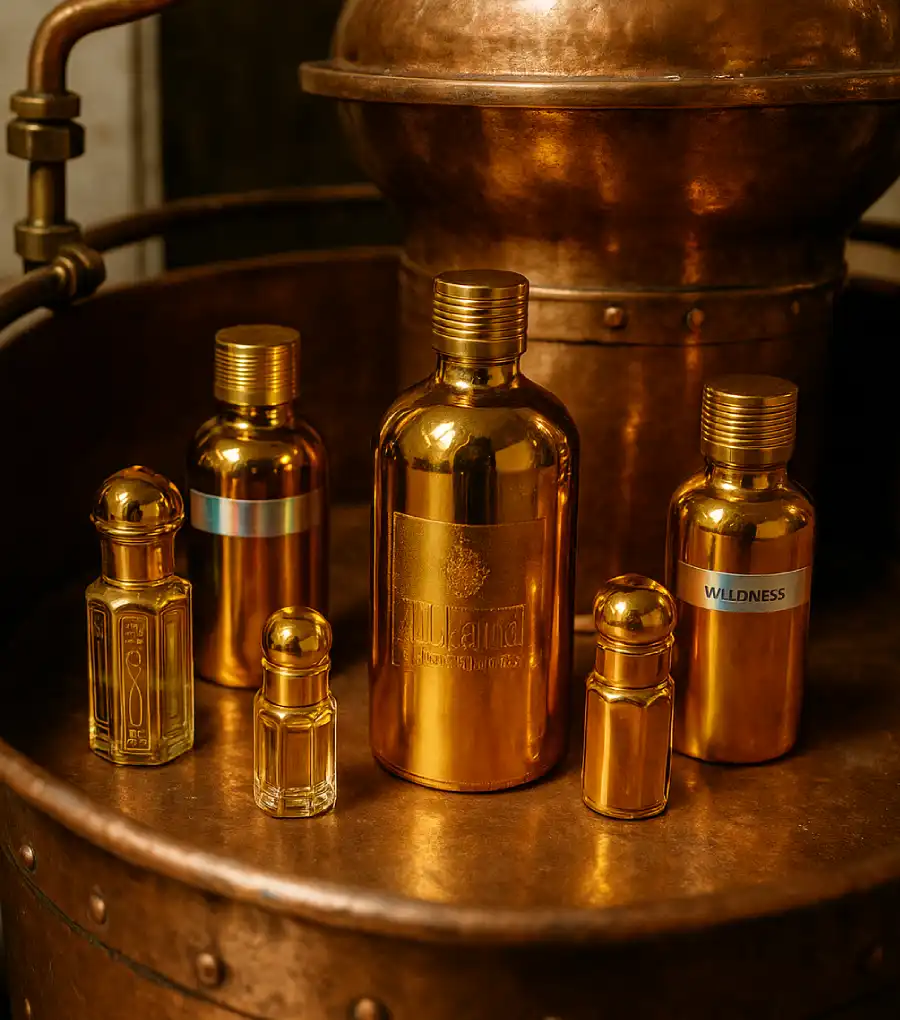
This article explores the origins, rarity, value, and cultural importance of agarwood to uncover why is agarwood called liquid gold.
In the world of rare natural substances, few command the reverence and value of agarwood—It is a fragrant resin known for its captivating aroma and spiritual significance.
Often referred to as “liquid gold,” agarwood holds a prestigious position in perfumery, traditional medicine, and religious ceremonies. But why exactly has this dark, aromatic resin earned such a luxurious nickname? lets find out one by one.
Agarwood is the resin-embedded heartwood that forms in Aquilaria trees when they become infected with a specific mold. As a defense mechanism, the tree produces a dark, fragrant resin that permeates the wood. This resin-soaked wood is what we know as agarwood. It is also known as Oudh, Aloeswood, Eaglewood, or Gaharu.
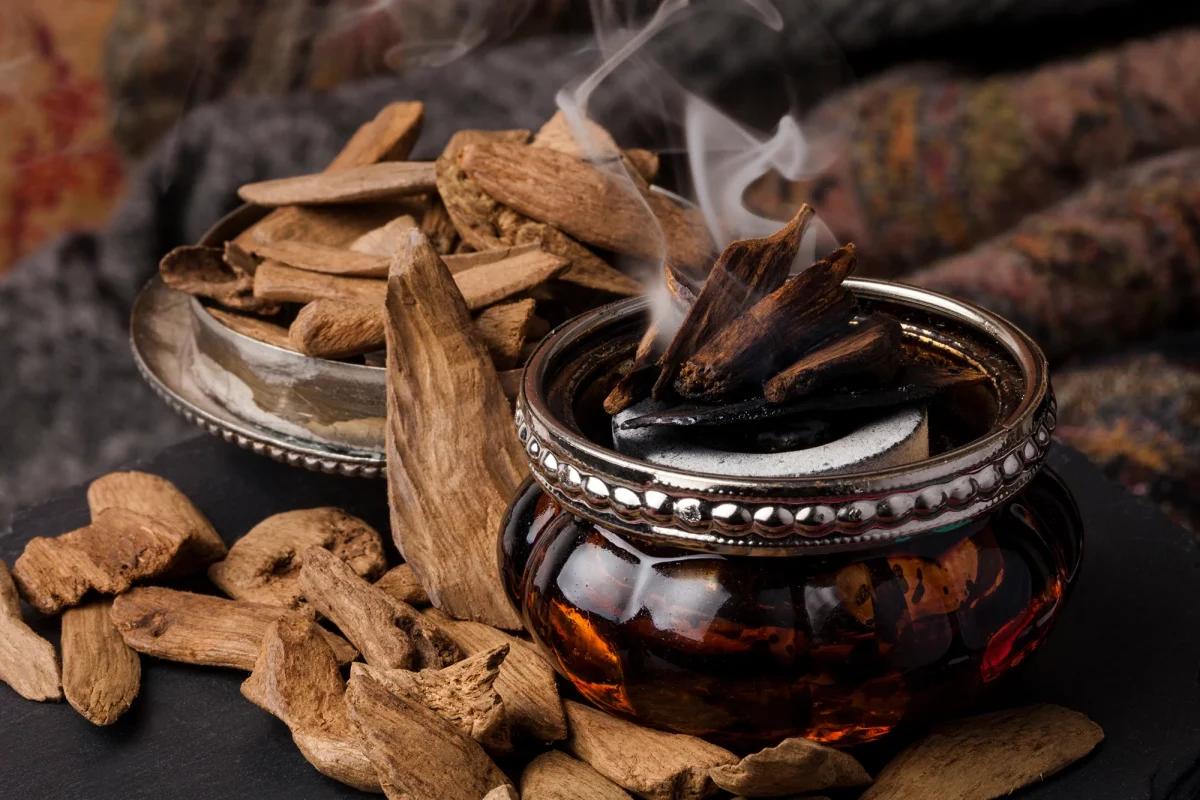
The term “liquid gold” is more than just a poetic metaphor when it comes to agarwood. It encapsulates the essence of its unparalleled value, rarity, and significance across various industries and cultures. Here’s why this precious substance has earned such a prestigious title:
Oud Oil is considered one of the most expensive natural products on Earth. High-quality agarwood oil can command prices ranging from $10,000 to $50,000 per liter, depending on its origin, age, and purity.
In some cases, rare varieties like Kyara or Kinam are even more expensive than gold by weight.
This high price is driven by:
In the perfume industry, even small quantities of Oud oil are enough to elevate a fragrance into the ultra-luxury category, making it a prized asset among perfumers and collectors alike.
Oudh is not produced by all Aquilaria trees. It only forms when a tree becomes infected by a particular mold (Phialophora parasitica), triggering a defensive response that leads to resin formation. This happens in less than 10% of trees naturally, making genuine oudh incredibly rare.
Moreover, the formation of resin can take years, even decades, and with wild Aquilaria trees becoming increasingly scarce, the value of naturally formed agarwood continues to soar.
The fragrance of oud oil is truly unique. It offers:
This multi-dimensional scent profile cannot be replicated synthetically with accuracy. The aroma is considered so captivating that it’s often used in meditation, prayer, and healing rituals. It’s also known to evoke feelings of calm, introspection, and emotional clarity.
For centuries, oudh has played a central role in the religious and cultural practices of many civilizations:
Because of its spiritual significance, agarwood is often seen as a sacred element, further justifying the metaphor of “gold”—not just in a monetary sense, but also in its elevated status and reverence.
Owning or using agarwood—whether as oil, incense, or solid wood—has become a symbol of status and refinement. In many Middle Eastern and Asian cultures, gifting agarwood or wearing its oil reflects wealth, taste, and spiritual depth. Much like gold jewelry or rare gemstones, oudh is considered a luxury possession and a cherished heirloom. Thats why it’s called liquid gold.
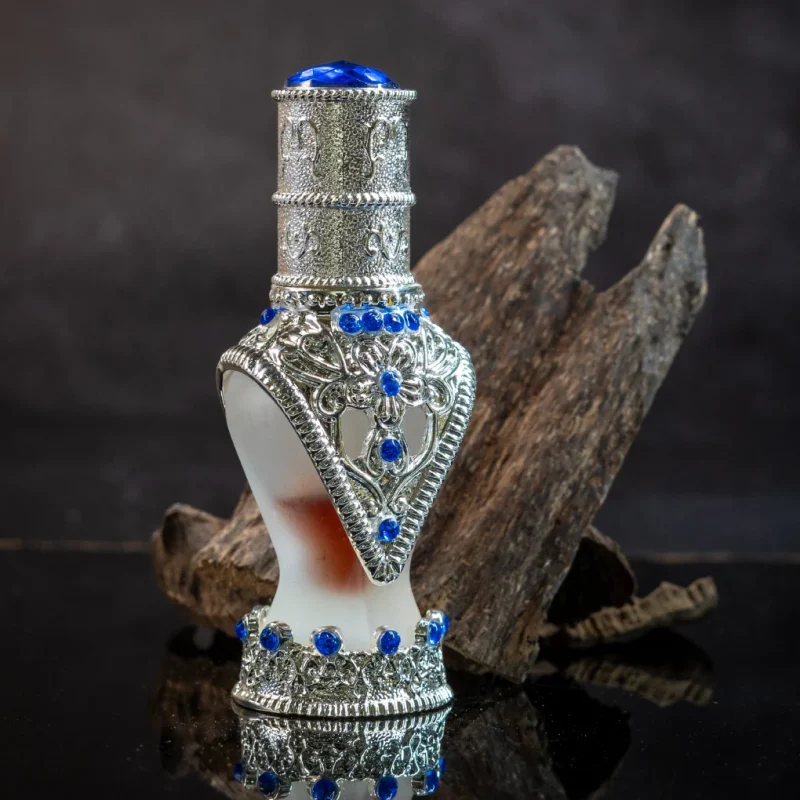
The economic significance of oudh cannot be overstated. Often referred to as one of the world’s most lucrative natural resources, agarwood has evolved into a multi-billion-dollar global industry, with its market size continuing to grow year after year.
The value of the global agar wood market is estimated in the billions of dollars, driven by its increasing demand across various sectors. From the perfume industry to traditional medicine and spiritual practices, agarwood has a wide range of high-value applications that fuel its market momentum.
Agar wood is deeply embedded in the culture. It’s commonly used in:
In this region, oudh is seen not just as a luxury, but as a cultural essential—which keeps demand consistently high.
Luxury and niche perfumery brands globally—especially in France, the UK, and the USA—incorporate oud oil into their most exclusive creations. It is prized for its:
Even trace amounts of genuine oud oil can significantly elevate a perfume’s prestige and retail value.
Due to its rarity and rising value, oud wood is increasingly being viewed as an alternative investment asset. Much like gold or fine art, rare oud chips, oil, and even trees are bought and sold by private collectors and investors. The limited supply and legal restrictions on trade have made it even more desirable in niche investment circles.
In Chinese, Ayurvedic, and Tibetan medicine, oud is used to treat various physical and mental conditions, including:
Its continued use in natural healing practices supports ongoing demand in Asia and beyond.
Why Is Agarwood Called “Liquid Gold” The answer will be its price. Top-grade oud oil, especially those derived from wild and aged Aquilaria trees, can sell for anywhere between $10,000 and $50,000 per liter. In some exceptional cases, rare oud wood pieces like Kyara can fetch even higher prices by weight, making it more valuable than actual gold.
Agarwood Called “Liquid Gold” due to a combination of:
As global demand continues to rise and natural supply becomes more limited, oud has emerged as a highly attractive alternative investment, much like gold, diamonds, or fine art. Investors, collectors, and traders across Asia, the Middle East, and increasingly in the West are turning to agarwood for its financial potential, cultural value, and long-term appreciation.
Unlike traditional investments such as stocks or real estate, agar offers a tangible, high-value asset that is not only rare but also deeply rooted in cultural and religious significance. Its enduring demand in the fragrance industry, luxury goods, and traditional medicine makes it a recession-resistant commodity—often maintaining or even increasing in value regardless of economic conditions.
Premium-quality agar oud—whether in the form of oil, chips, or whole logs—can be resold at high margins, particularly if sourced from rare species or aged trees. Investors often buy in bulk and sell smaller quantities to retailers, perfumers, or collectors for significant profits.
Just like precious metals or aged whiskey, agar oud’s value tends to increase over time, especially as natural sources continue to decline. Plantation-grown agar oud is rising, but wild agar oud—especially rare varieties like Kyara or Kinam—is finite and becoming increasingly scarce. This limited availability ensures long-term appreciation for those who hold high-quality stocks.
In many parts of the Middle East and Asia, owning or gifting rare agar oud is a symbol of status and sophistication. It’s often used in diplomacy, high-end gifting, and religious ceremonies. Investors see value not just in resale but in the prestige associated with possessing such a revered and luxurious item.
Agarwood’s status as “liquid gold” is well-deserved. Its extreme rarity, luxurious scent, and cultural depth make it one of the most treasured natural products on Earth. Whether used in perfumery, religious rituals, or collected as an investment.
1. What makes agar oud so expensive?
Its rarity, labor-intensive production, and high demand make agar oud extremely valuable. Thats why it’s called liquid gold.
2. Is agarwood the same as oudh?
Yes. Oudh is another name for agarwood oil, commonly used in Arabic-speaking countries.
3. Where does agar oud come from?
It is primarily produced in Southeast Asia—especially in countries like India, Cambodia, Laos, Vietnam, and Indonesia.
4. How is agar oud formed?
It forms when Aquilaria trees are infected by a mold, prompting the tree to produce a dark, fragrant resin.
5. Can agar oud be cultivated?
Yes, through artificial inoculation techniques and sustainable plantations.
6. What does agar oud smell like?
It has a rich, deep aroma with woody, smoky, slightly sweet, and balsamic notes.
7. What are the spiritual uses of agar oud?
It is used in meditation, prayer, and purification rituals across multiple religions.
8. Is there synthetic agar oud?
Yes, but synthetic versions lack the depth and complexity of real agar oud.
9. How can you tell if agar oud is real?
Authentic agar oud sinks in water, has a strong natural aroma, and is very expensive.
10. Is agar oud oil safe to apply on skin?
Yes, but it should be diluted. Always perform a patch test to avoid irritation.